THE CIRCUIT · ENTRY 03 OF 04
Load-In
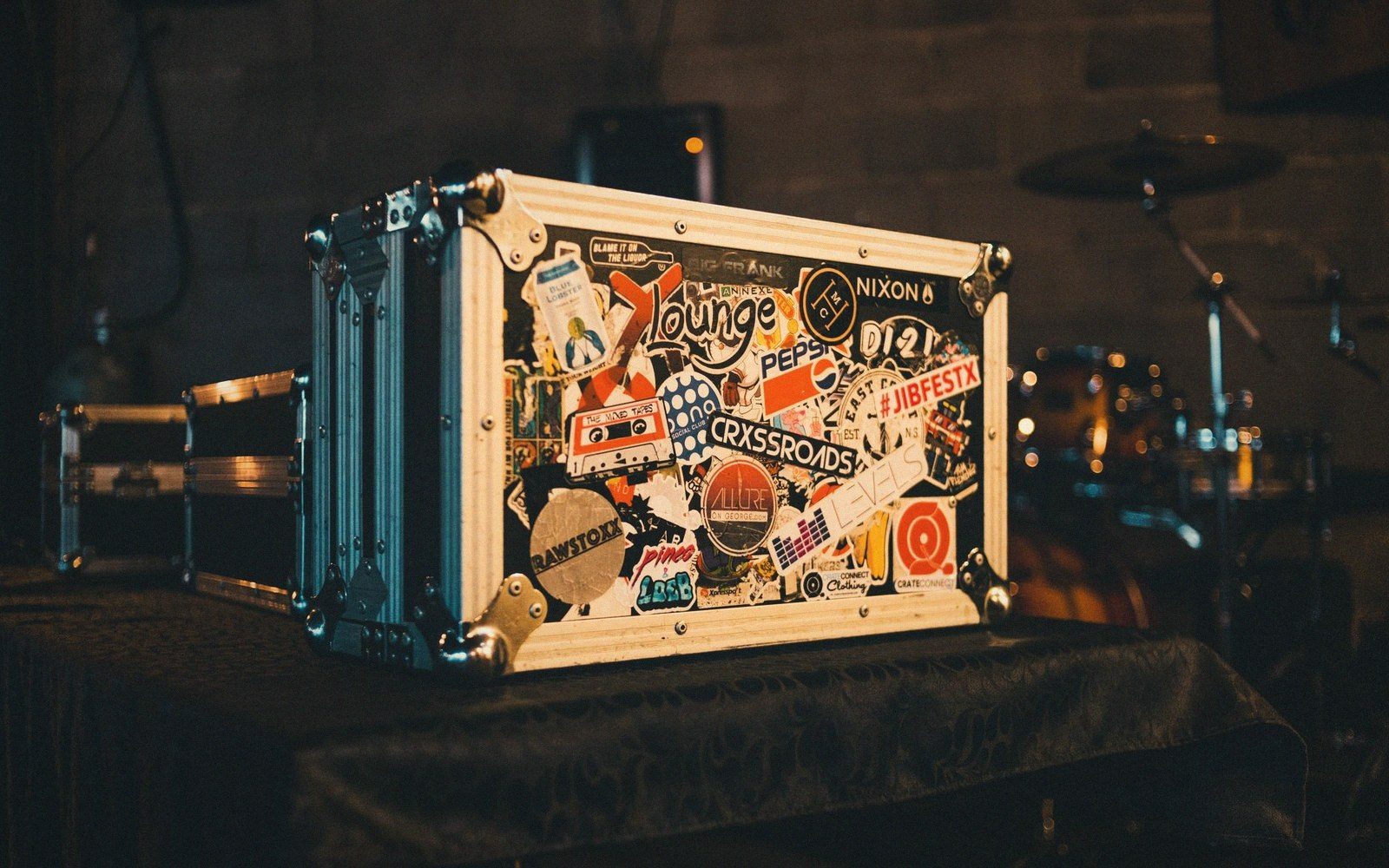
THE CIRCUIT · ENTRY 03 OF 04
The double bass goes in last and comes out first. That is the first rule, and it is not a rule anybody writes down — it is just what happens when you have spent one evening watching four hundred dollars worth of instrument get a corner knocked off because someone loaded an amp head on top of the case in the van. The case itself is the size of a wardrobe door, padded inside with foam cut to the exact body profile, and it teaches you to think about door widths the way a furniture removalist does. Venues are not designed for upright basses. They are designed for kegs.
The actual mechanics of load-in are this: you park as close to the stage door as the venue will let you — which in a Melbourne pub band room means blocking a lane for twenty minutes and hoping nobody calls it in — and you carry everything by hand up whatever the building gives you. That might be a loading dock with a proper ramp. More often it is a stairwell, narrow enough that the bass case has to go up at an angle, one person on each end, one of them walking backwards. At the top there is usually a fire door with a hydraulic closer that will swing shut on the neck of the case while you are still threading it through. This is not metaphor. This is every Tuesday night for years.
Once the gear is in, the room becomes a puzzle in three dimensions. A three-piece with an upright bass has a specific stage footprint problem: the bass player needs room to work around the instrument, to bow or slap without elbowing anyone, and the instrument itself needs to stand somewhere that does not put it directly in front of a monitor wedge. Heat and low-frequency pressure both affect the tension of an upright's strings, and a monitor running at stage volume is radiating both. The bass gets positioned, the amp goes behind and to the side, and then the guitarist's rig goes in around what is left.
The drum kit occupies its own fixed territory. The relationship between a kick drum and an upright bass played at volume is a constant negotiation — two instruments covering similar low-frequency real estate, one of them entirely acoustic and entirely dependent on its own amplification being placed correctly. A cheap stage-box DI into the PA is not adequate. The instrument needs a microphone in front of the body and probably another at the bridge, and whoever is behind the desk needs to know what an upright actually sounds like, which is not always a given.
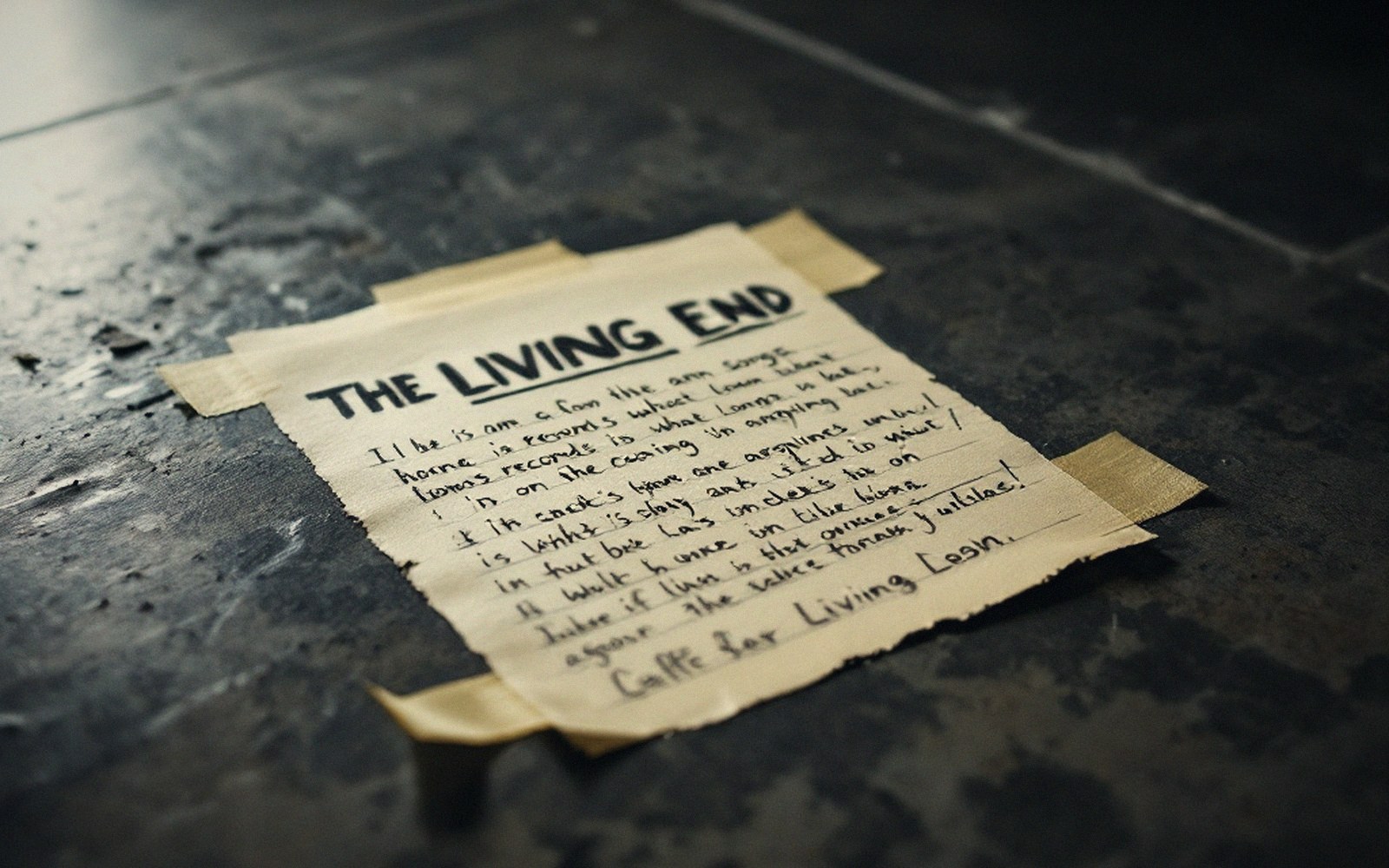
The set list goes on the floor, not on a stand, not on the monitor. On the floor, taped flat with gaffer tape, angled toward whoever needs to read it. It sounds trivial. It is not trivial. A set list that slides or flips over in the first three songs is a distraction at exactly the wrong moment. Gaffer tape is the most important item in the bag after the spare strings and the spare leads.
Soundcheck, when there is one, runs back to front: drums, then bass, then guitar, then a run through one song together while the sound person walks the room. In a pub band room — narrow, low ceiling, bar at the back, room that is built to bounce sound everywhere — what you hear on stage is almost nothing like what the crowd hears. You learn to trust the wedges and make decisions by feel. When there is no soundcheck, because the room is double-booked until forty minutes before doors, you trust the room's house engineer and your own experience with similar rooms, and you go.
Load-out happens fast. Whatever civic pride the room had at eight o'clock is gone by midnight, and the bar staff want their floor back. The bass goes into its case first — even before the cables are rolled — because the case needs to be on the floor, latched, before anything heavy moves near it. Cables go into the bag in rough loops, not wound tight, because tight-wound cables have memory and develop faults. The amp head comes off the cab. Everything goes back down the stairwell in reverse order.
This is what the circuit actually is, at the level where you can touch it: a sequence of rooms connected by the logistics of getting there and setting up and tearing down. The songs are the reason, but the van and the case and the gaffer tape and the fire door are the method. Bands that last on this circuit are not necessarily the ones with the best songs first — they are the ones who can execute the physical process reliably enough that the songs get a chance to be heard. The double bass is the extreme version of the constraint. You cannot pretend to play it. You cannot leave it in the boot. It is there, every show, requiring the same corner of the stage and the same fifteen minutes of careful handling at each end of the night, and that is just what load-in costs.